Portfolio
Project Leadership
School Yearbook
Artifact Type: Project Leadership
Focus: Student Experience and Teamwork
At SNA Marianapolis International School, I independently led the design and production of a full K2–Grade 8 yearbook under significant operational constraints. With limited staffing and no established systems in place, I developed a streamlined workflow to collect, organize, and curate student and staff content across all grade levels.
I was responsible for the entire production process, including photography coordination, page layout, visual design, final compilation, publication and printing. This required building a cohesive narrative for the school year while ensuring accuracy in student information and maintaining consistent design standards throughout the publication. I collaborated with teaching assistants to verify student names and details, ensuring cultural and linguistic accuracy where needed.
Despite the absence of a formal committee or dedicated infrastructure, the project was completed on schedule and delivered as a polished, professionally structured publication that represented the school community as a whole.
- Total Pages: 150+
- Student/Staff Profiles Managed: 600+
- Production Timeline: 1 Month (Conception to Publication)
- Role: Designer, Photographer & Project Manager
The yearbook project may be viewed in two parts:
Lower School
Upper School
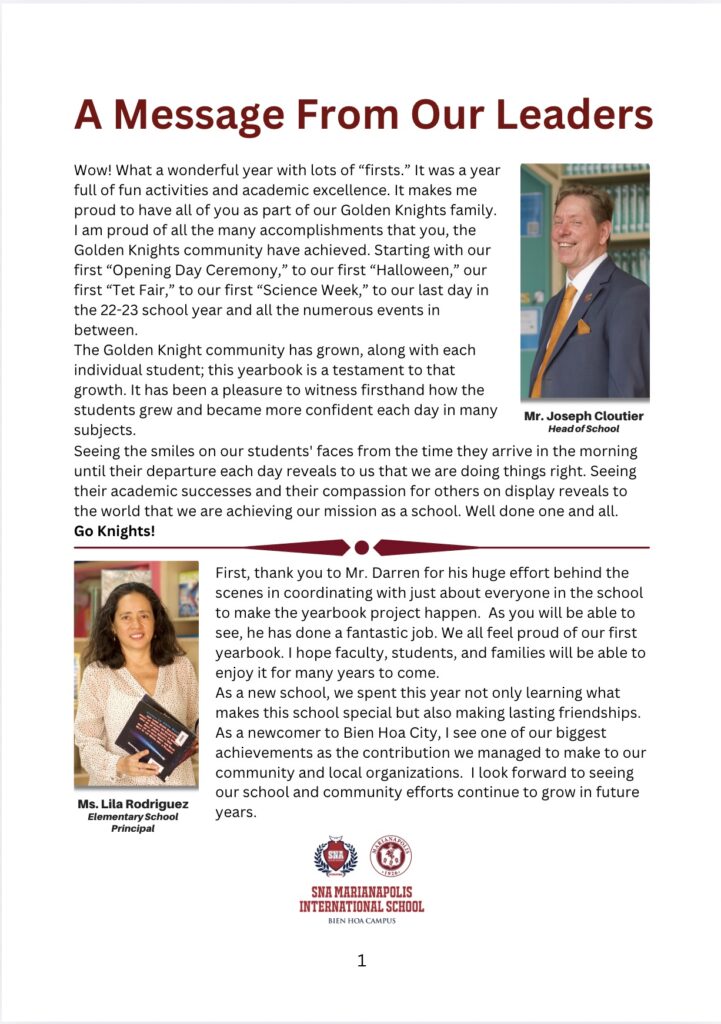
A message from school leadership acknowledging the
coordination and impact of the project.
Instructional Design
Explore my instructional design portfolio to discover professionally designed, scaffolded lessons built using the Understanding by Design (UbD) and Universal Design for Learning (UDL) frameworks. Select any resource from the Portfolio & Teaching Resources menu to view additional curriculum resources.
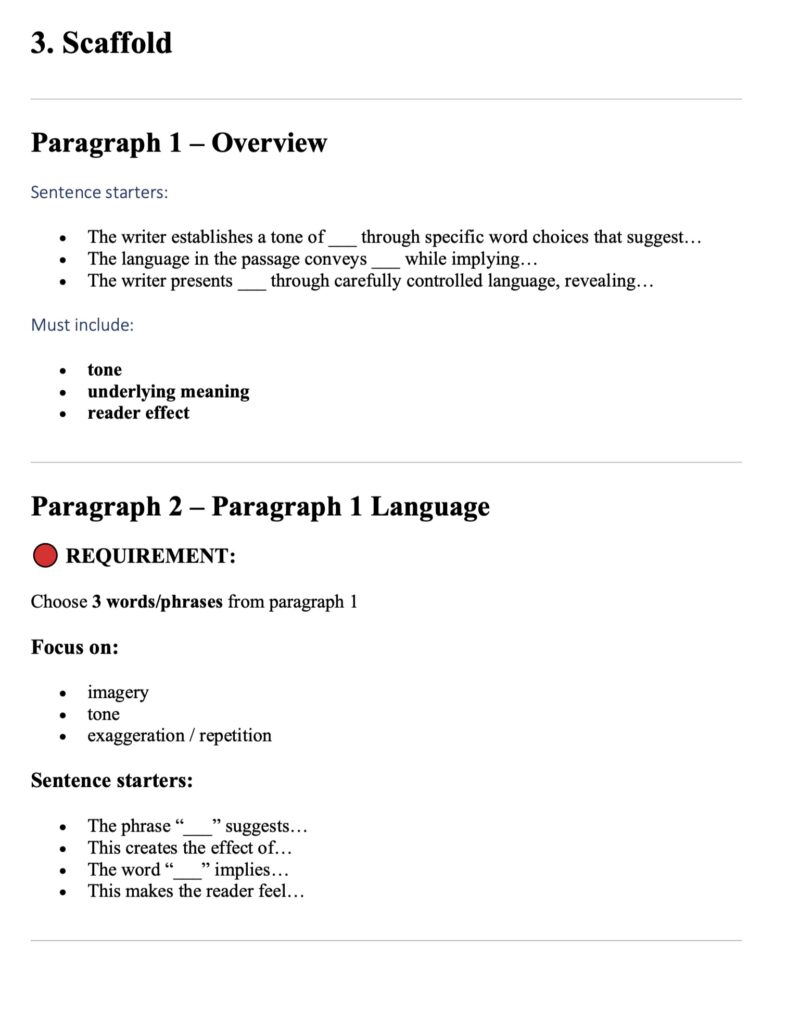
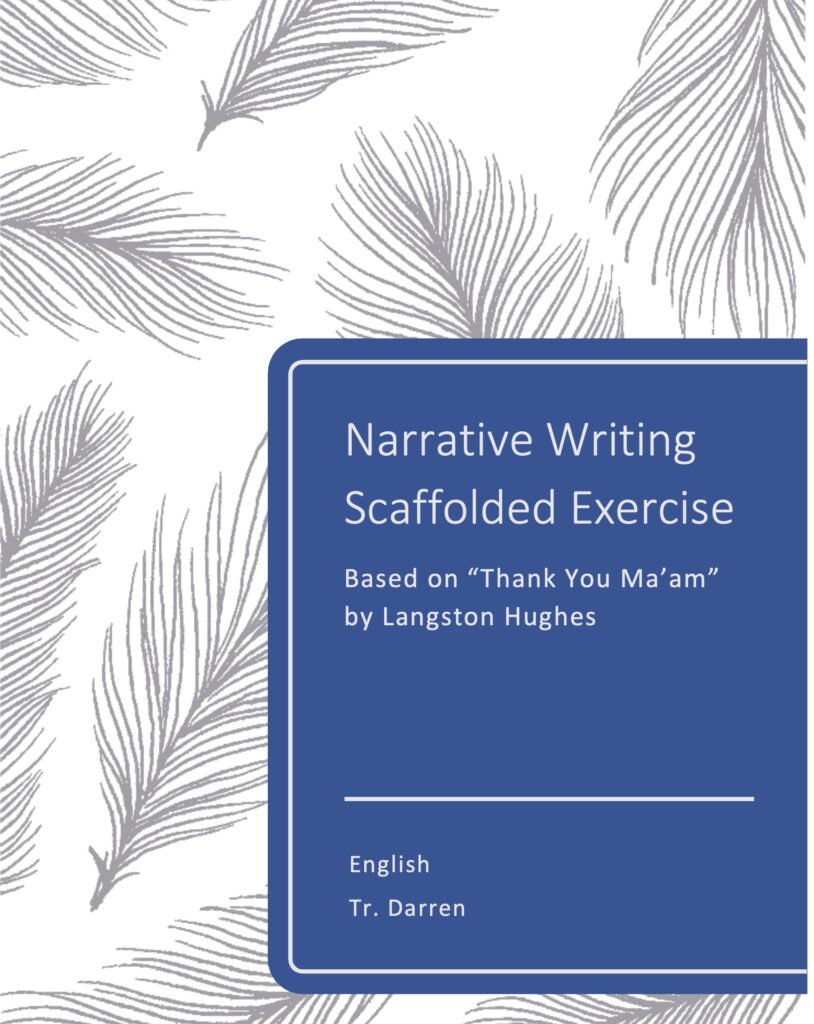
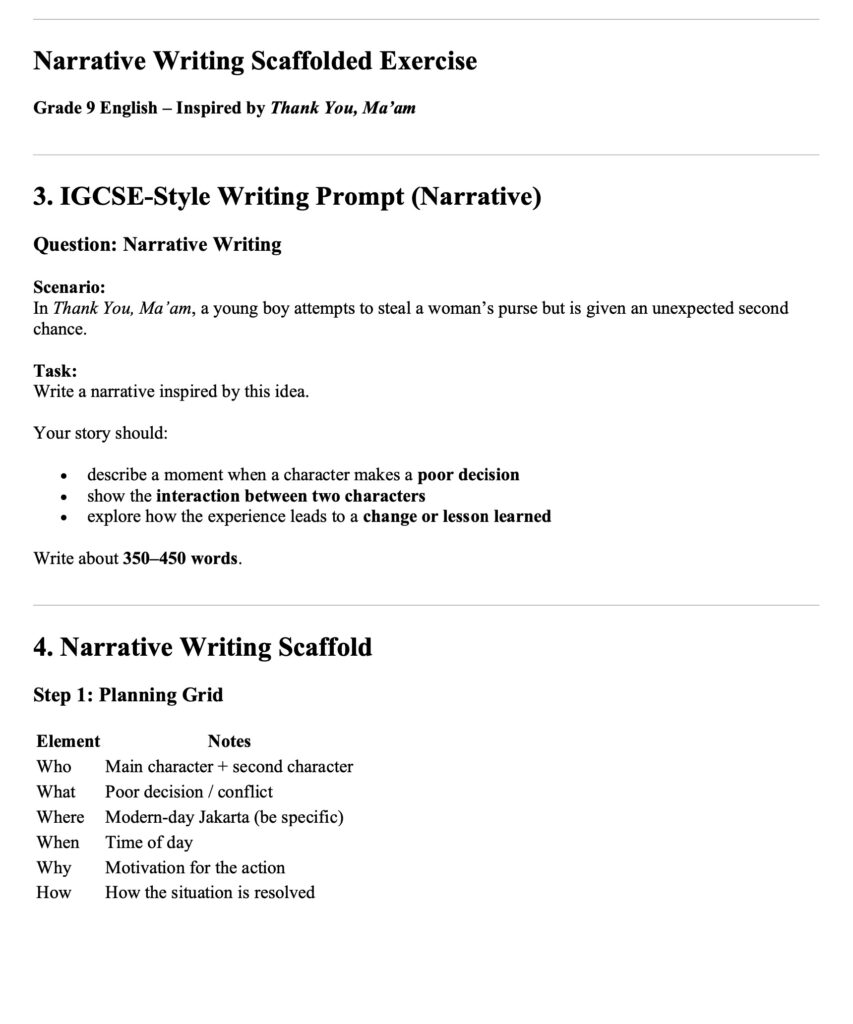
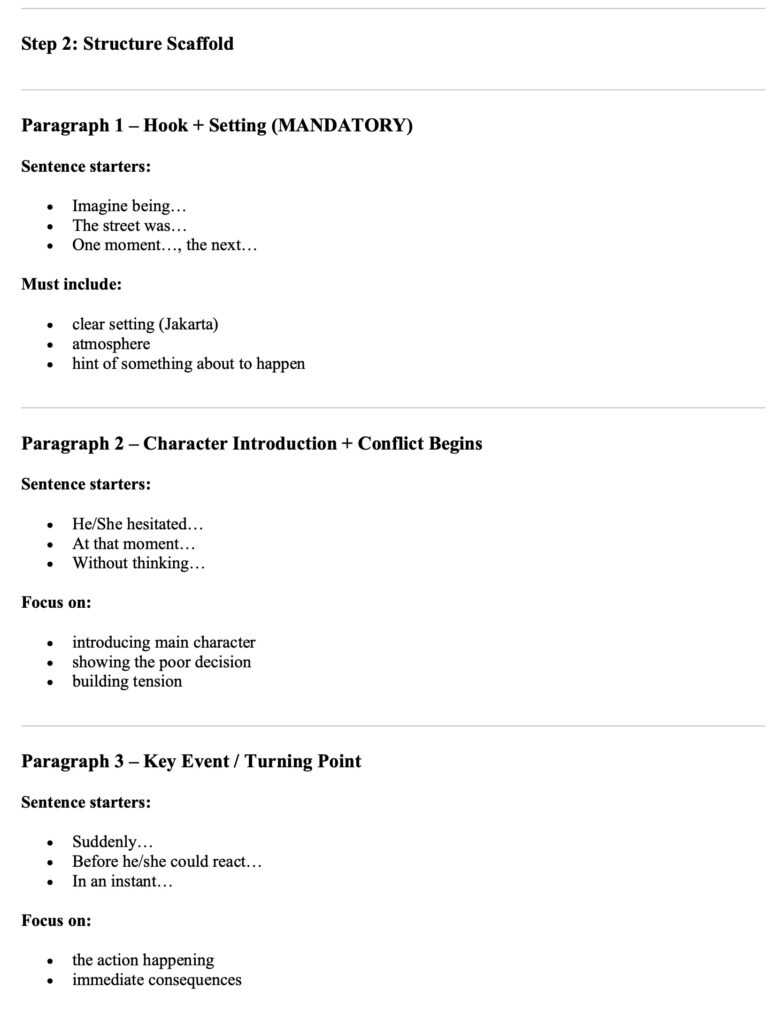
Scaffolded Teaching Modules
Artifact Type: Instructional Module
Course: IGCSE English
Focus: Narrative Analysis / Article Writing
My scaffolded modules are carefully designed to move students from supported learning to independent mastery. Built on Understanding By Design (UbD) and Universal Design for Learning (UDL) frameworks, each unit aligns objectives, assessment, and instruction, while remaining accessible to diverse learnings. Through structured progression, explicit modeling, and targeted feedback, students develop advanced skills in writing, analysis, and critical thinking. The result is measurable academic growth and the confidence to engage with more complex texts and ideas in demanding academic contexts such as Cambridge IGCSE.
Click the cover pages to open the full PDF document.
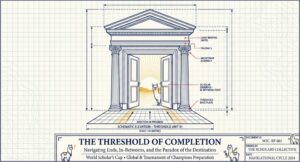
Student Impact
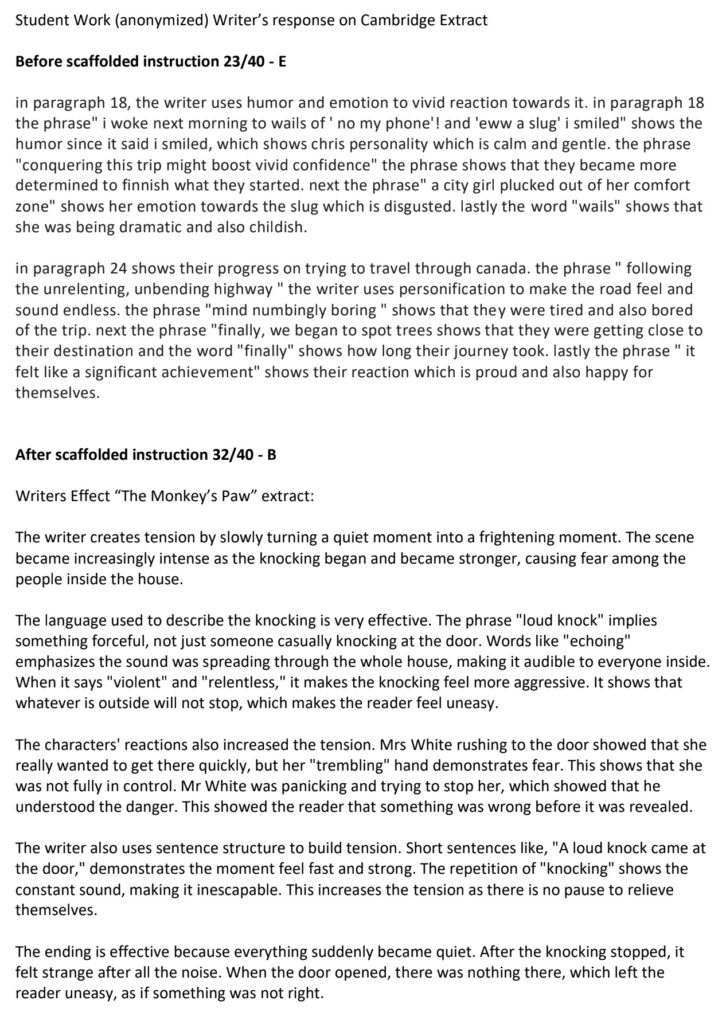
Artifact: Anonymous Student Work Sample
Context: Year 9 IGCSE First Language English
Focus: Writer’s Effect (Paper 2)
Intervention: 3-day scaffolded instruction using guided annotation, modeling, and structured paragraph writing
This sample demonstrates measurable student growth in IGCSE Writer’s Effect analysis following targeted, scaffolded instruction. The same student improved from 23/40 (E) to 32/40 (B) within a short instructional cycle focused on moving from descriptive responses to precise, word-level analysis aligned with the Cambridge 0500 mark scheme. Instruction emphasized close reading, structured paragraph development, and explicit modeling of how language choices shape meaning and reader response. The post-instruction response shows clearer use of evidence, more controlled structure, and a stronger focus on analytical explanation—illustrating the impact of deliberate, criteria-driven teaching on student performance.
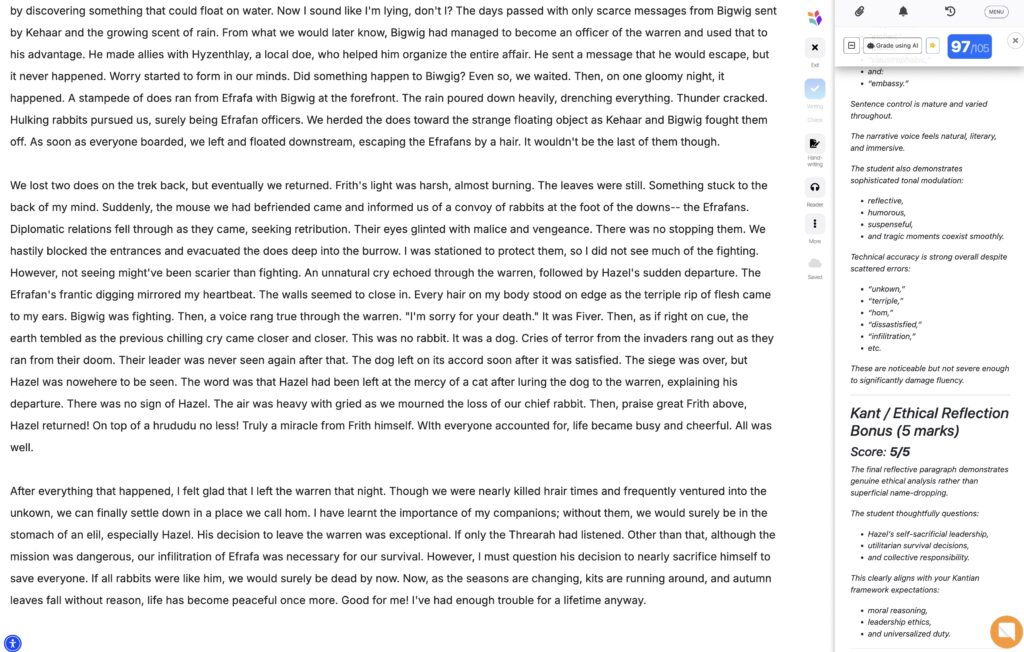
Watership Down. Click the document to view the full student response PDF.
Artifact Focus: Synthesis of Narrative Voice & Philosophical Frameworks
Context: Grade 9 English Novel Study (Watership Down) — End-of-Unit Portfolio Piece
Pedagogical Alignment: This student sample illustrates the impact of backward-design planning (UbD) integrated with Universal Design for Learning (UDL) frameworks. Rather than assessing comprehension through a traditional closed-book test, students were challenged to produce an immersive first-person narrative that incorporated authentic Lapine worldbuilding while simultaneously engaging in ethical analysis through a philosophical lens.
Impact Metrics: As evidenced in the narrative, the student demonstrates strong textual fidelity through the accurate integration of tier-3 literary vocabulary (hrair, fu Inlé, hrududu), sustained narrative voice adaptation, and advanced critical thinking through the application of Immanuel Kant’s Categorical Imperative to evaluate Hazel’s leadership decisions. The assignment intentionally bridges creative composition, literary analysis, and ethical reasoning within a single interdisciplinary writing task.
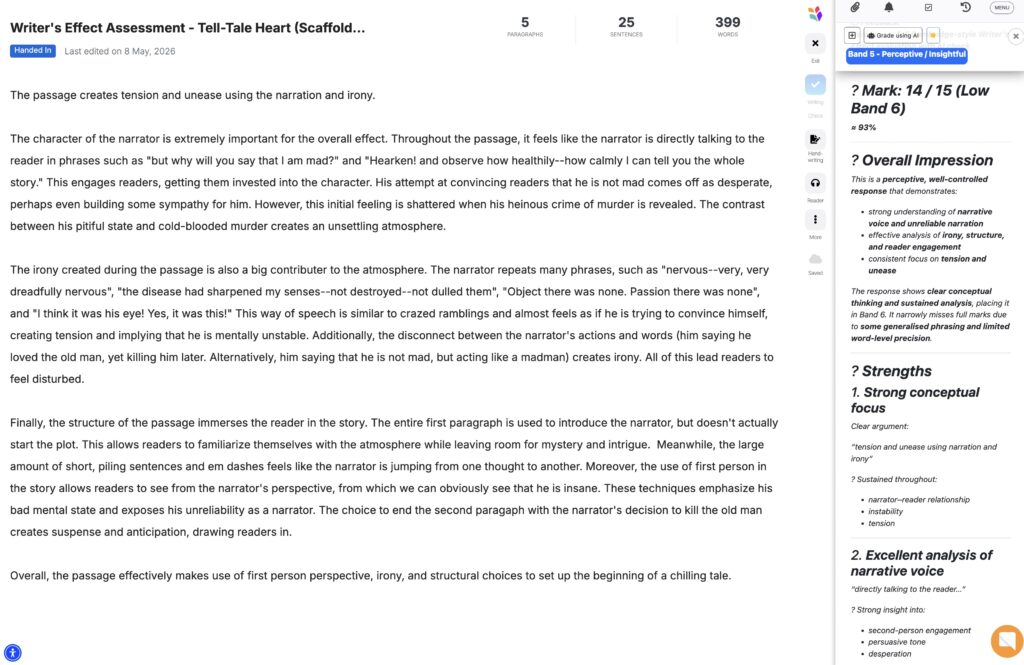
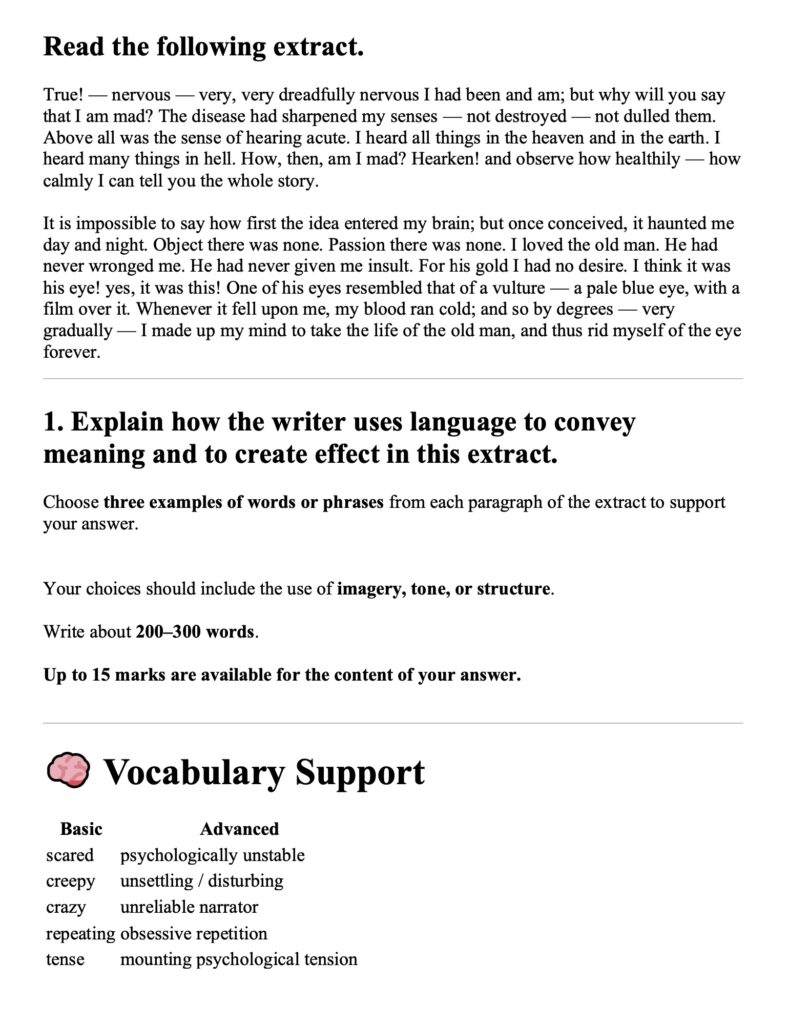
Artifact Focus: Close Reading & Writer’s Effect Analysis
Context: Grade 9 English Language — Scaffolded Writer’s Effect Assessment (The Tell-Tale Heart)
Pedagogical Alignment: This assessment sample demonstrates explicit instruction in analytical writing through scaffolded close reading, structured commentary models, and gradual release of responsibility. Students were guided beyond basic feature identification toward sustained explanation of how language, structure, and narrative voice shape reader response.
Impact Metrics: The student demonstrates advanced interpretive reasoning through sustained analysis of irony, narrative unreliability, and psychological tension within Edgar Allan Poe’s The Tell-Tale Heart. The response reflects controlled paragraph organization, embedded textual evidence, and conceptual understanding of how first-person narration manipulates audience perception. Particular strengths include analysis of narrator-reader relationships, structural pacing, and the tension created through contradiction between the narrator’s claims of sanity and increasingly unstable language patterns.
Research and Scholarship
Research in Education / Language Acquisition
Artifact Type: Action Research Paper
Focus: Language Acquisition & Literacy Development
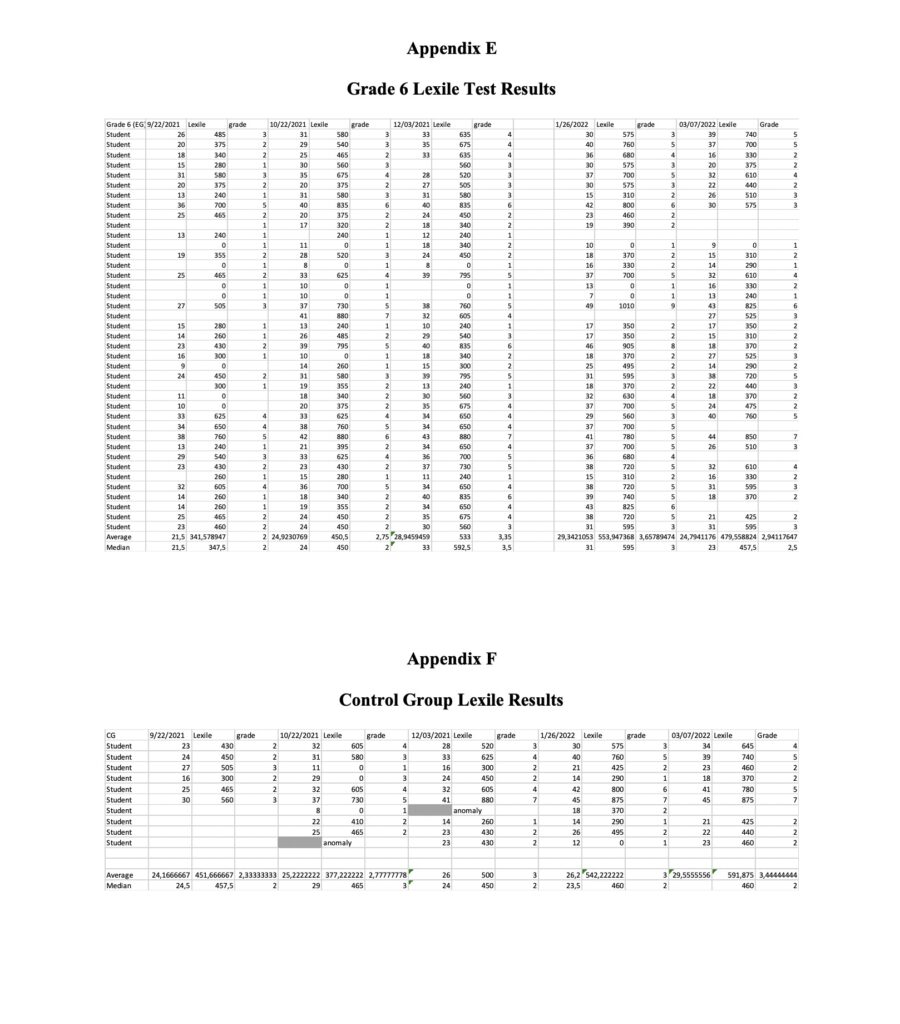
This action research project examines how structured scaffolding and experiential learning can accelerate language acquisition and literacy development for EAL learners. Conducted over five months, the study contrasts traditional instruction with a model informed by Vygotskian scaffolding and Kolb’s Experiential Learning Cycle, using both Lexile data and qualitative classroom observations to measure impact. The results demonstrate measurable gains in reading ability and engagement, particularly among lower-proficiency learners. This research directly informs my teaching practice, supporting a data-driven approach that prioritizes accessibility, collaboration, and the development of independent, confident readers.
Students demonstrated measurable Lexile growth over the five-month study, with the most significant gains among lower-proficiency learners.
Click on the the Appendix E/F Image to open the full paper in new tab.
Deconstructing Narrative Structure: Scaffolded Instructional Module
“Key Focus Areas”
- Narrative sequencing & pacing
- Writer’s Effect analysis
- Structural interpretation
- Analytical writing scaffolds
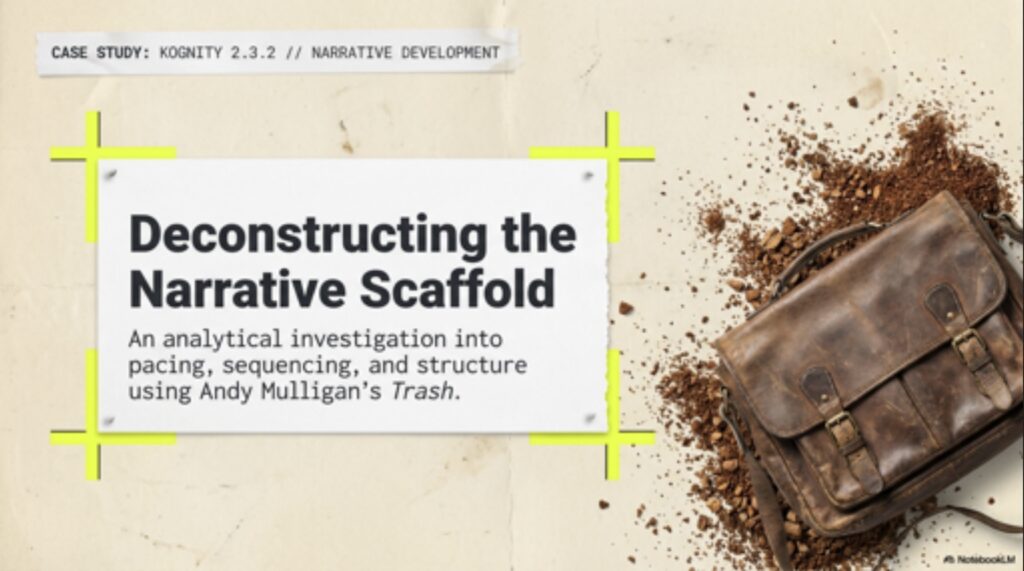
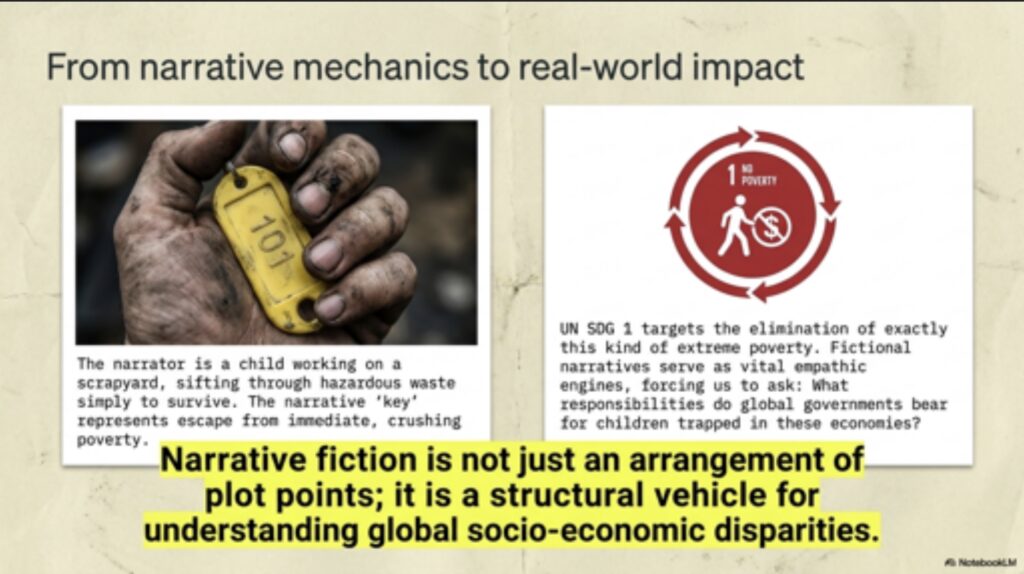
Click the image to open the full instructional case study PDF.
This presentation forms part of a scaffolded instructional module designed to develop students’ understanding of narrative structure, pacing, and Writer’s Effect. Rather than presenting content passively, the lesson models analytical thinking by breaking complex narrative techniques into structured, accessible components.
Students are guided from observation to interpretation, examining how writers construct meaning through sequencing, textual emphasis, and structural shifts. Visual frameworks—such as nested discovery and narrative chunking—are used to reduce cognitive load while reinforcing key analytical skills. This approach is particularly effective for EAL learners, supporting both conceptual understanding and academic language development.
The module reflects my broader instructional approach: combining explicit modeling, structured scaffolding, and visual design to move students toward independent, high-level analysis in contexts such as Cambridge IGCSE.
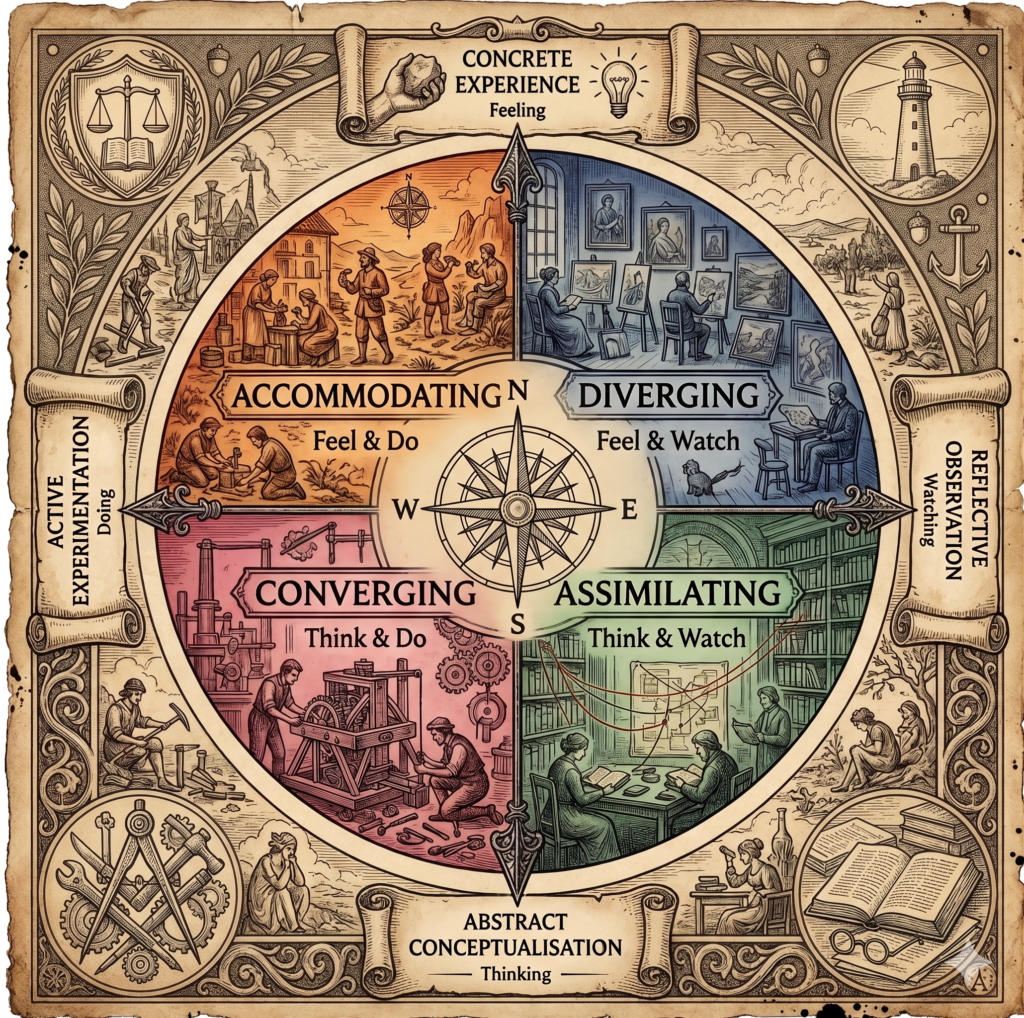
Kolb’s Experiential Learning Cycle underpins the structure of my instructional design, guiding the progression from experience to analysis and independent application.
Testimonials
“Darren spent much of his time creating a curriculum from scratch using the Understanding by Design (UbD) framework… instilling the skills needed to be independent learners and critical thinkers.”
“His expertise and success in World Scholar’s Cup are unmatched, and he has been recognized as one of the top coaches since 2017.”
— Director of Curriculum, Teaching, and Learning, SNA Marianapolis, Vietnam
“He creates a solid rapport with students while maintaining a welcoming classroom environment.”
“He is able to differentiate on both ends of the spectrum… giving all students opportunities to achieve and thrive.”
— Head of School, SNA Marianapolis, Vietnam
“Darren is highly regarded as a speech and debate coach… across Taiwan and the region.”
— Owner, Bilingualism Education, Taiwan
“He came into a program lacking a coherent purpose and has made significant changes that have worked wonders.”
— Academic Dean, Grace Christian Academy
FULL REFERENCES BY REQUEST